
Maharashtra News : In Maharashtra, India’s largest cotton-producing state contributing nearly one-third of the country’s output, more than 45,200 farmers across 1,490 villages have been trained to counter the pink bollworm menace through a multi-district awareness and capacity-building campaign. As a result, farmers in the state have reported lower instances of pink bollworm infestations and avoided an estimated loss of hundreds of crores.
The month-long initiative was rolled out by Syngenta India across Yavatmal, Wardha, Akola, Nanded, Amravati and Parbhani. These districts form the core of the state’s cotton belt and have frequently faced pest-related yield losses. The drive focused on helping farmers identify early signs of infestation, adopt Integrated Pest Management (IPM) practices, and take preventive measures before the pest spreads. KVK Yavatmal, KVK, Akola, and KVK Wardha were engaged for awareness activities along with the Department of Agriculture and Zila Parishad offices of all six districts, ensuring a collaborative and widespread approach. Additionally three district level workshops with 600 farmers in attendance and 41 village level training sessions with 2000 farmers were also conducted.
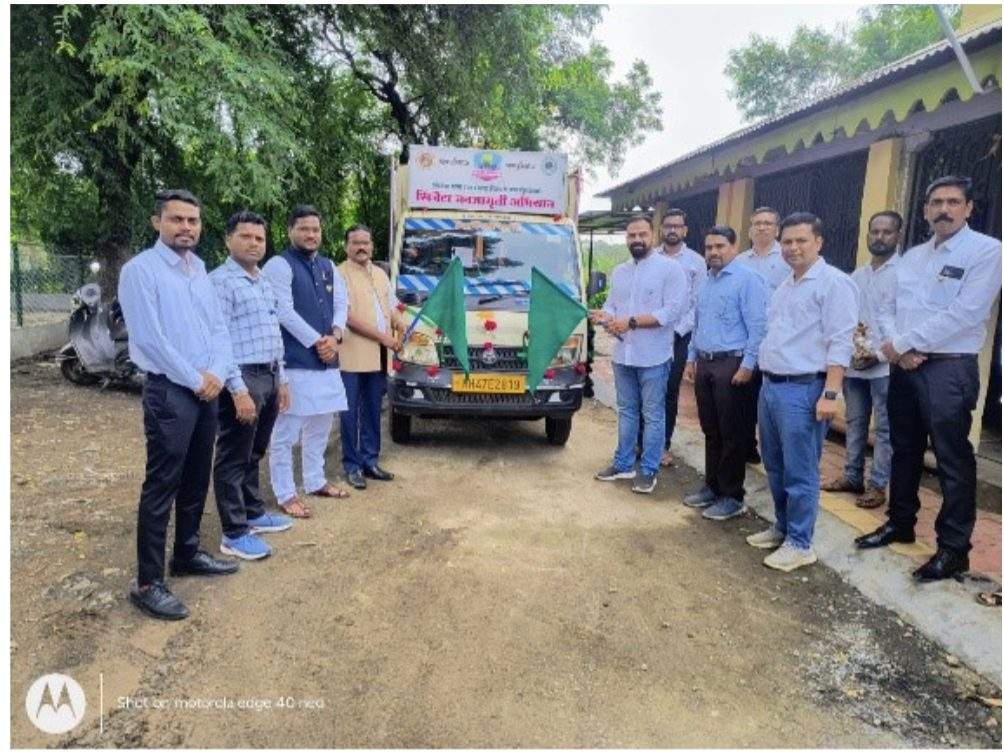
The campaign effectively integrated classroom instruction with practical field demonstrations, enabling farmers to directly apply the learned techniques to their crops said Susheel Kumar, Managing Director at Syngenta India. “Training focused on key agricultural practices including early-stage pest detection, the proper installation of pheromone traps, and regular crop health monitoring. To facilitate implementation and extend the campaign’s reach, 3,000 pheromone traps and 900 Personal Protective Equipment (PPE) kits were distributed,” Kumar added. Furthermore, information booklets and mobile training vans were deployed to ensure the resources reached even the most remote cotton-growing villages.
Farmers across these regions have reported a visible decline in pink bollworm infestations this season. “The pink bollworm infestation on crops has been much less this year,” said Ganesh Nanote, a cotton farmer from Akola. “Apart from good rainfall, the reason is the regular training and awareness sessions that taught us how to identify early signs of pest attack and act in time. Earlier, when the pest appeared, we had already lost half our lint yield. Now, we can detect it early and control it before it spreads,” said Nanote.
The pink bollworm, a small yet destructive pest, feeds on cotton bolls, damaging lint quality and reducing yields. It is estimated to cause 3.75 per cent annual cotton loss in India, amounting to around 0.64 million tonnes of destroyed output. This translates to a financial loss of ₹500–800 crore each year. Given that Maharashtra contributes nearly a third of India’s total cotton production, the pest continues to pose a major economic threat to both farmers and the state’s agrarian economy.
Experts believe that consistent training and the widespread adoption of IPM practices can significantly lower this risk. “The 3.75 per cent loss is a conservative estimate. If farmers continue regular monitoring, field sanitation and timely pest management, these losses can be reduced further. Training is crucial as it gives farmers the confidence to take preventive steps rather than reacting after the damage,” said Dr KC Ravi, Chief Sustainability Officer, Syngenta India.
By combining farmer awareness, practical training and field-level execution, the initiative is being recognised as a model for community-led pest management for other cotton growing states.